
Many people experience ongoing muscle tension, stiffness, or pain that does not improve with stretching or traditional treatments. Sometimes the cause is not only physical strain but also long-term stress patterns stored in the body.
At Recovery Rehab Physiotherapy, Psychosomatic Fascia Release Therapy is used as a gentle treatment that works with both the body and nervous system. This therapy focuses on releasing restrictions in the fascia while helping the body relax and reset tension patterns.
The goal is simple: reduce pain, improve movement, and restore balance between the body and mind.
What Is Fascia?
Fascia is a connective tissue network that surrounds and supports muscles, bones, nerves, and organs throughout the body. It forms a three-dimensional web that helps maintain structure, allows smooth movement, and distributes mechanical forces across the body.
Healthy fascia is flexible and allows muscles and tissues to glide smoothly. But injury, inflammation, stress, or repetitive strain can cause fascia to become tight or restricted. These restrictions may lead to stiffness, pain, and reduced mobility.
Because fascia connects the entire body, tension in one area can affect movement and comfort in another area.
Understanding the “Psychosomatic” Connection
The word psychosomatic refers to the relationship between the mind and the body. Physical symptoms can sometimes be influenced by emotional stress, past injuries, or long-held tension patterns.
Research and clinical observations suggest that fascia and connective tissues can hold patterns of tension related to both physical and emotional experiences. These patterns may contribute to chronic pain, restricted movement, or persistent tightness.
Psychosomatic fascia release therapy works with this connection by helping the body relax and release stored tension in a safe and controlled way.
What Is Psychosomatic Fascia Release Therapy?
Psychosomatic Fascia Release Therapy is a gentle hands-on technique that focuses on releasing restrictions in the fascial system while supporting nervous system relaxation.
Instead of using strong pressure, the therapist applies slow, sustained contact to areas of tension. This approach allows the body to gradually unwind restrictions and restore natural movement patterns.
Some therapies in this category use a “listening touch” approach, where the therapist observes areas of tension and encourages awareness of sensations in the body. This can help clients recognize and release unconscious patterns of muscle holding.
The process aims to support both physical and emotional relaxation while improving tissue mobility.
How the Therapy Works
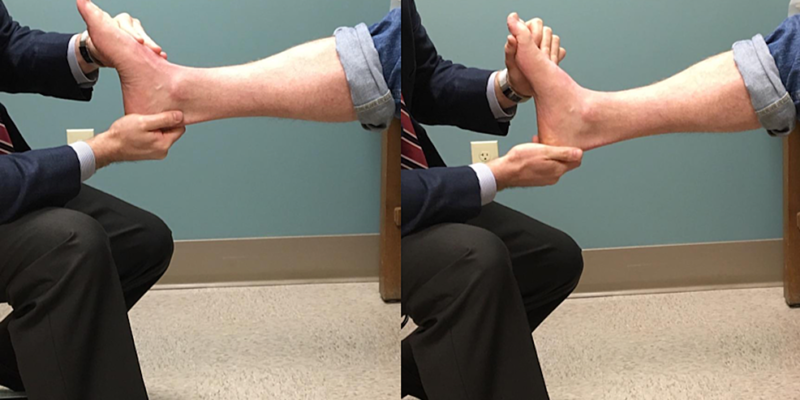
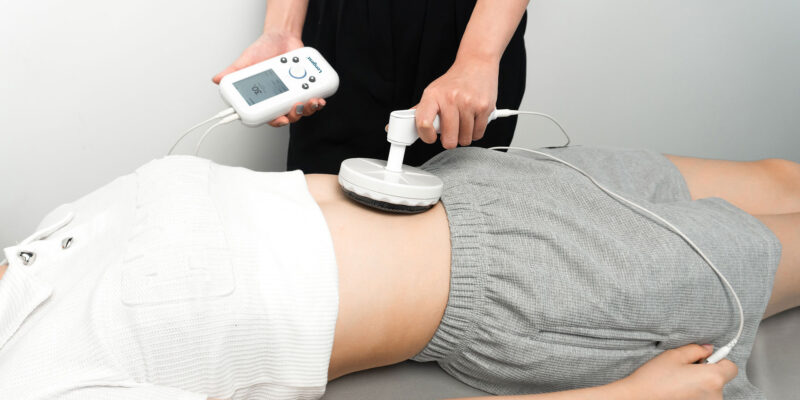
During a session, the physiotherapist assesses areas of tightness, discomfort, or restricted movement. Treatment usually involves gentle manual techniques applied to the skin, fascia, and deeper connective tissues.
The therapy may help:
• release fascial tension
• improve circulation and tissue mobility
• reduce chronic muscle tightness
• support nervous system relaxation
• improve posture and movement patterns
Sessions are typically calm and slow-paced, allowing the body to adjust gradually.
Conditions That May Benefit From Fascia Release Therapy
Psychosomatic fascia release therapy may help people experiencing:
Chronic Muscle Tension
Long-term stress or repetitive strain can create persistent tightness in muscles and connective tissues.
Neck and Back Pain
Fascial restrictions around the spine can affect posture and movement, contributing to ongoing discomfort.
Restricted Mobility
Tight fascia can limit joint movement and reduce flexibility.
Stress-Related Physical Symptoms
Emotional stress often appears physically in the body as shoulder tension, headaches, or jaw tightness.
Postural Imbalances
Long-term posture habits can create fascial restrictions that affect alignment and movement.
Recovery After Injury
After injury or surgery, fascia can become stiff or adhered, affecting mobility and comfort.
What to Expect During a Session
A session at Recovery Rehab Physiotherapy typically begins with a consultation to understand your symptoms and health history.
During treatment:
-
You lie comfortably on a treatment table.
-
The therapist uses gentle touch to assess fascial tension.
-
Slow manual techniques are applied to release restrictions.
-
The therapist may guide breathing or relaxation techniques.
Sessions usually last between 30 and 60 minutes, depending on the treatment plan.
Many people describe the experience as calming and deeply relaxing.
Benefits of Psychosomatic Fascia Release Therapy
When included as part of a physiotherapy plan, this therapy may provide several benefits.
Reduced Pain and Tension
Releasing fascial restrictions may reduce pressure on muscles and nerves.
Improved Mobility
Healthy fascia allows smoother movement and better joint flexibility.
Nervous System Relaxation
Gentle manual therapy helps calm the body’s stress response.
Better Posture
Releasing fascial tension can improve alignment and body awareness.
Whole-Body Recovery
Because fascia connects the entire body, releasing one area can improve overall movement patterns.
Combining Fascia Therapy With Physiotherapy
Psychosomatic fascia release therapy is often combined with other physiotherapy treatments to improve outcomes.
At Recovery Rehab Physiotherapy, treatment plans may also include:
• corrective exercises
• manual therapy
• lymphatic drainage therapy
• posture correction
• rehabilitation programs
This combined approach helps address both the cause of pain and long-term prevention.
Is Fascia Release Therapy Right for You?
This therapy may be suitable if you experience:
• persistent muscle tightness
• unexplained chronic pain
• stress-related physical symptoms
• limited flexibility or movement
• tension that does not improve with standard treatment
A physiotherapy assessment can help determine whether this therapy is appropriate for your condition.
Why Choose Recovery Rehab Physiotherapy
The team at Recovery Rehab Physiotherapy focuses on treating the body as an integrated system rather than isolated symptoms.
Their approach combines advanced physiotherapy techniques with modern rehabilitation methods to help patients:
• reduce pain
• restore mobility
• improve posture and movement
• recover from injury or chronic conditions
Every treatment plan is tailored to the individual patient and their recovery goals.
Final Thoughts
Psychosomatic Fascia Release Therapy is a gentle and holistic treatment that addresses both physical tension and the nervous system’s response to stress. By working with the body’s fascial network, this therapy can help restore movement, reduce pain, and improve overall wellbeing.
If you are experiencing chronic tension, restricted movement, or stress-related physical discomfort, consulting a physiotherapist may help you explore whether fascia therapy is the right option for your recovery.