Recovering from injury, surgery, or chronic swelling can take time. Many people experience persistent pain, tight tissue, or fluid buildup that slows healing. Modern physiotherapy uses several technologies to support the body’s natural recovery process. One of these advanced methods is Therapeutic Electrostatic Oscillation (TEO).
At Recovery Rehab Physiotherapy, TEO therapy is used to help patients reduce swelling, improve tissue health, and recover more comfortably after injury or surgery.
This treatment is gentle, non-invasive, and suitable for many conditions where traditional deep manual pressure may not be ideal.
What Is Therapeutic Electrostatic Oscillation (TEO)?
Therapeutic Electrostatic Oscillation is a physiotherapy technique that uses low-frequency electrostatic pulses to create rhythmic vibrations inside body tissues. These vibrations reach deep layers of the body, including muscles, connective tissue, and the lymphatic system.
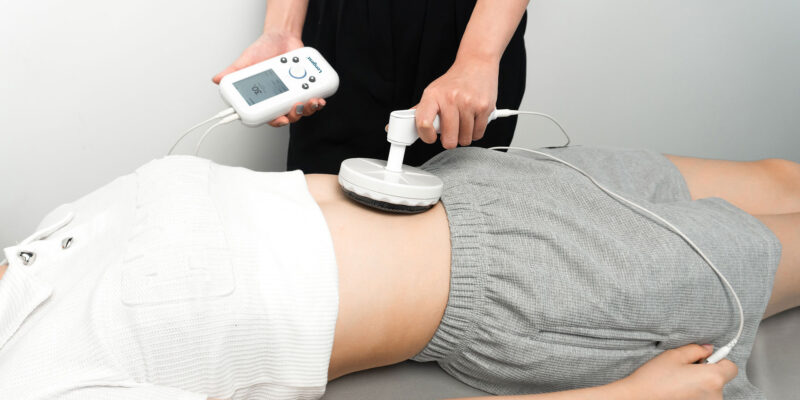
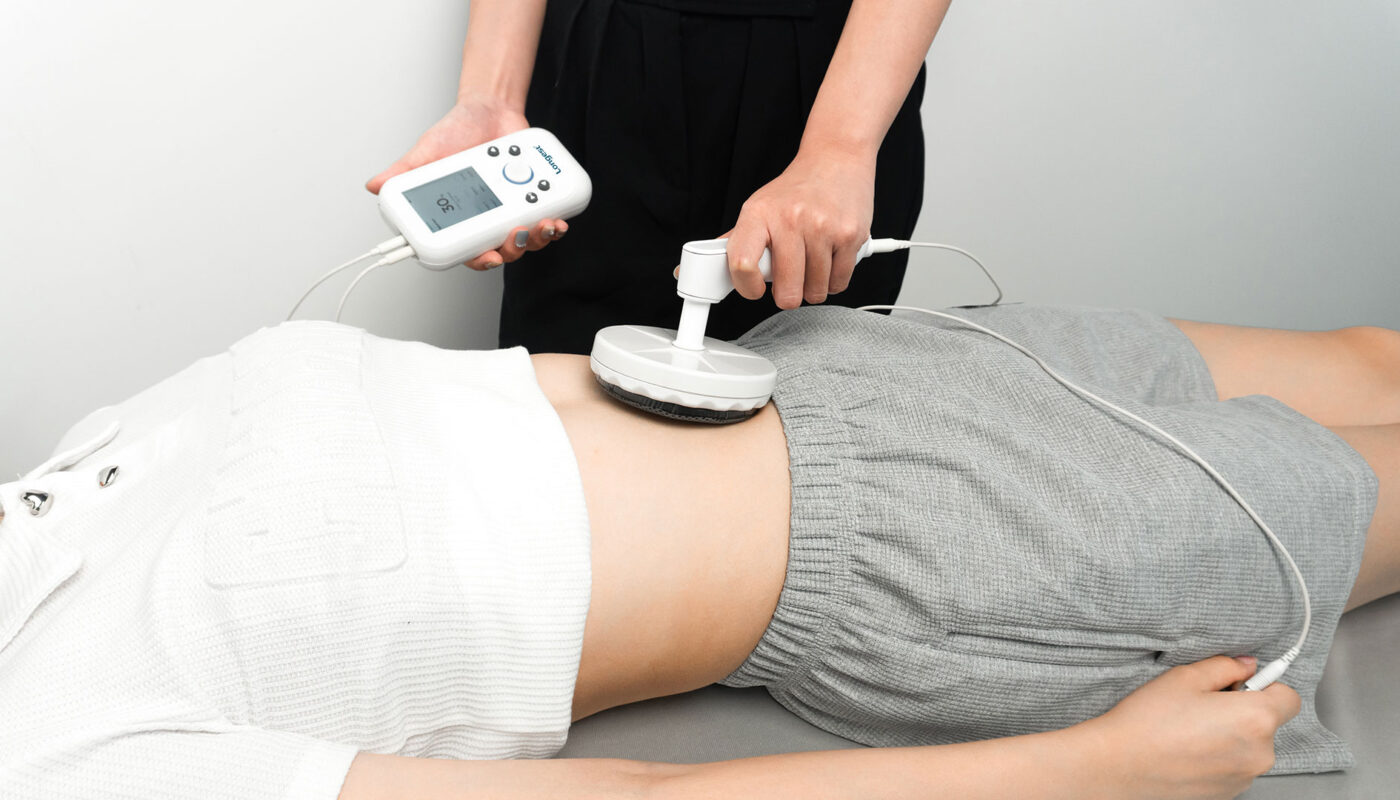
The therapy works by generating an electrostatic field between the treatment device (or the therapist’s gloved hands) and the patient’s body. This interaction creates a gentle pulsing or “kneading” effect within the tissue.
Unlike some electrical therapies, TEO does not rely on strong muscle stimulation or heat. Instead, it produces subtle oscillations that help the body move fluid, relax tissue, and support healing.
How TEO Therapy Works
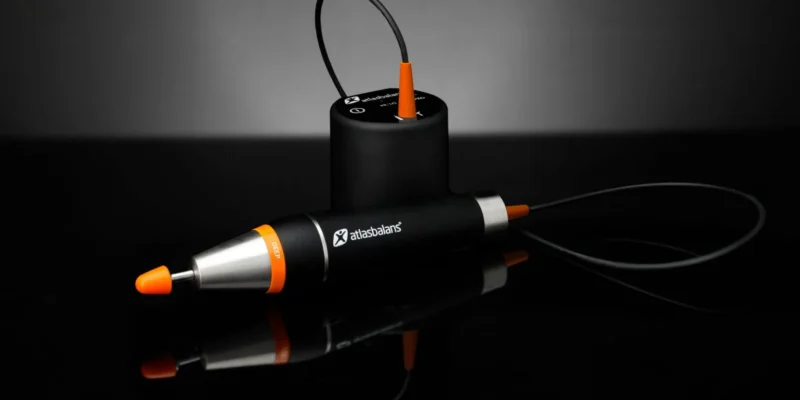
During a treatment session, the physiotherapist uses a specialised device or applicator to deliver controlled electrostatic pulses. These pulses create oscillations that may penetrate several centimetres below the skin’s surface, affecting soft tissue, lymphatic vessels, and circulation.
The therapy can help:
• stimulate lymphatic drainage
• improve circulation
• reduce inflammation
• relax tight muscles
• soften scar tissue and fibrosis
• support tissue healing
Because only light pressure is required, it can be used in areas where traditional massage might be uncomfortable or inappropriate.
Conditions That May Benefit from TEO Therapy
TEO therapy is often used as part of a broader physiotherapy program. It can help manage several conditions, including:
Lymphoedema and Swelling
Fluid buildup in the lymphatic system can cause heaviness, discomfort, and reduced mobility. TEO helps stimulate lymphatic flow and reduce oedema.
Post-Surgical Recovery
After surgery, tissues often become inflamed and swollen. TEO can support recovery by improving circulation and encouraging fluid movement.
Scar Tissue and Fibrosis
Surgery, injury, or radiation therapy may create dense scar tissue. Electrostatic oscillation helps soften fibrotic tissue and improve mobility.
Chronic Pain and Muscle Tightness
The gentle vibration effect helps relax muscles and reduce pain signals in the affected tissues.
Sports Injuries
Sprains, strains, and overuse injuries can benefit from improved circulation and reduced inflammation.
What Happens During a TEO Session?
A typical TEO therapy session at Recovery Rehab Physiotherapy begins with a physiotherapy assessment. The therapist evaluates your symptoms, movement, and tissue condition to determine whether TEO is suitable for you.
During treatment:
-
You lie or sit comfortably.
-
The therapist applies the electrostatic device to the treatment area.
-
Gentle rhythmic vibrations are delivered into the tissue.
Most sessions last between 20 and 40 minutes, depending on the treatment area and condition being addressed.
Patients typically describe the sensation as a mild vibration or gentle pulsing rather than pressure.
Benefits of Therapeutic Electrostatic Oscillation
Many patients choose TEO therapy because it offers several advantages.
Gentle Treatment
Because minimal pressure is required, TEO can be used on sensitive tissues, post-surgical areas, or inflamed joints.
Improved Lymphatic Flow
The oscillating movement helps the lymphatic system move excess fluid away from affected areas.
Pain Reduction
TEO therapy helps relax muscles and improve circulation, which may reduce pain and stiffness.
Faster Recovery
Improved circulation and tissue oxygenation can help the body repair damaged tissues more efficiently.
Complements Other Therapies
TEO is often used alongside treatments such as manual lymphatic drainage, exercise therapy, and physiotherapy rehabilitation programs.
Who Should Avoid TEO Therapy?
Although TEO is generally safe when used by trained professionals, it may not be suitable for everyone. Certain medical conditions may require caution, including:
• active infections
• untreated thrombosis
• certain heart conditions
• pacemakers or electronic implants
A physiotherapist will assess your health history before recommending this treatment.
Why Physiotherapists Use TEO
Physiotherapy continues to evolve as new technologies support better patient outcomes. TEO therapy is widely used in rehabilitation settings because it provides deep tissue effects without aggressive manipulation.
This makes it especially valuable for patients recovering from surgery, managing chronic swelling, or dealing with fragile tissue conditions.
At Recovery Rehab Physiotherapy, TEO therapy is integrated into personalised treatment plans designed to address the root cause of pain and mobility limitations.
Combining TEO With Physiotherapy
While TEO can provide strong therapeutic benefits on its own, the best results often occur when it is combined with other physiotherapy approaches.
These may include:
• manual therapy
• lymphatic drainage therapy
• corrective exercises
• posture and movement training
• rehabilitation programs
This combined approach helps patients restore movement, reduce symptoms, and maintain long-term health.
When to Consider TEO Therapy
You may benefit from TEO therapy if you experience:
• persistent swelling or lymphatic congestion
• slow recovery after surgery
• scar tissue or fibrosis
• chronic pain or muscle tightness
• sports injuries or soft tissue damage
A physiotherapy assessment can determine whether this treatment is appropriate for your condition.
Final Thoughts
Therapeutic Electrostatic Oscillation is a modern physiotherapy technique that helps support healing, reduce swelling, and improve tissue health. Its gentle yet effective approach makes it suitable for many patients who need treatment without strong pressure or invasive procedures.
If you are dealing with pain, swelling, or slow recovery, consulting a qualified physiotherapist can help you explore the best treatment options for your situation.