
Your Complete Guide to Skiing Injury Recovery: Getting Back on the Slopes Safely
The thrill of skiing down pristine Australian slopes is unmatched—the crisp mountain air, the rhythm of carving turns, the stunning alpine vistas. But this exhilarating sport comes with inherent risks. Whether you’re tackling the runs at Perisher, Thredbo, or Falls Creek, a single moment can change everything: a caught edge, an icy patch, or simple fatigue leading to a fall that leaves you injured and sidelined.
If you’ve experienced a skiing injury, you’re likely facing questions: How serious is this? When can I ski again? Will I be the same? At Recovery Rehab Physiotherapy, we specialize in helping skiers recover fully, return safely to the slopes, and often emerge as stronger, more confident athletes than before.
This comprehensive guide will walk you through everything you need to know about skiing injuries and how physiotherapy can restore your mountain adventures.
Understanding Why Skiing Injuries Occur
Skiing demands extraordinary physical capabilities. Your body must generate explosive power, maintain dynamic balance, absorb significant impact forces, react instantly to changing terrain, and sustain performance throughout long days on the mountain.
The Perfect Storm of Risk Factors
Physical Fatigue As your day progresses, muscle fatigue compromises technique, reduces reaction time, and diminishes your ability to recover from unexpected situations. Most injuries occur in the afternoon when fatigue peaks.
Technical Limitations Improper technique places excessive stress on joints and increases fall risk. Common technical issues include backseat skiing, inadequate edge control, and poor weight distribution.
Environmental Challenges Variable snow conditions, changing visibility, crowded slopes, and unexpected terrain features all increase injury risk, particularly for skiers unprepared for these challenges.
Equipment Issues Improperly adjusted bindings, worn-out boots, or inappropriate ski selection can contribute to both falls and injury severity when falls occur.
Insufficient Preparation Arriving at the mountain without adequate fitness, strength, or flexibility sets the stage for injury. Your body needs specific preparation for skiing’s unique demands.
Common Skiing Injuries: What We Treat
Understanding the specific injuries that affect skiers helps you recognize serious situations requiring immediate professional care.
Knee Injuries: The Most Common Challenge
The knee bears the brunt of skiing forces, with the long lever arm of skis creating significant rotational stress during falls.
Anterior Cruciate Ligament (ACL) Tears The ACL prevents forward sliding of the tibia and controls rotation. ACL tears typically occur during twisting falls, backward falls with skis still attached, or landing jumps awkwardly. Symptoms include an audible pop, immediate swelling, knee instability, and inability to continue skiing. While severe ACL tears often require surgical reconstruction, physiotherapy is essential both pre-operatively to optimize surgical outcomes and post-operatively for comprehensive rehabilitation.
Medial Collateral Ligament (MCL) Sprains Located on the inner knee, the MCL commonly sustains injury when the knee is forced inward during falls. MCL injuries range from mild sprains to complete tears. The majority heal successfully with conservative physiotherapy management, making proper rehabilitation crucial for optimal outcomes.
Meniscus Tears These crescent-shaped cartilage structures cushion your knee joint. Twisting movements while the knee is flexed and loaded can tear meniscal tissue. Symptoms include pain with twisting movements, swelling, stiffness, and occasionally mechanical catching or locking. Treatment depends on tear location, size, and type, with physiotherapy playing a central role regardless of whether surgery is needed.
Patellofemoral Pain The repetitive knee flexion and impact absorption of skiing can trigger pain around the kneecap, particularly in skiers with muscle imbalances or poor movement patterns.
Upper Extremity Injuries
Shoulder Injuries Falls often involve outstretched arms, leading to shoulder dislocations, acromioclavicular (AC) joint separations, rotator cuff tears, or clavicle fractures. Shoulder injuries can significantly impact daily function beyond skiing.
Wrist Fractures and Sprains Impact on outstretched hands frequently causes wrist injuries ranging from sprains to fractures. Proper rehabilitation prevents chronic instability and ensures full function returns.
Skier’s Thumb This injury involves tearing the ulnar collateral ligament at the thumb’s base, often caused by falling while holding ski poles. Left untreated, it can cause permanent thumb instability affecting grip strength.
Lower Leg Injuries
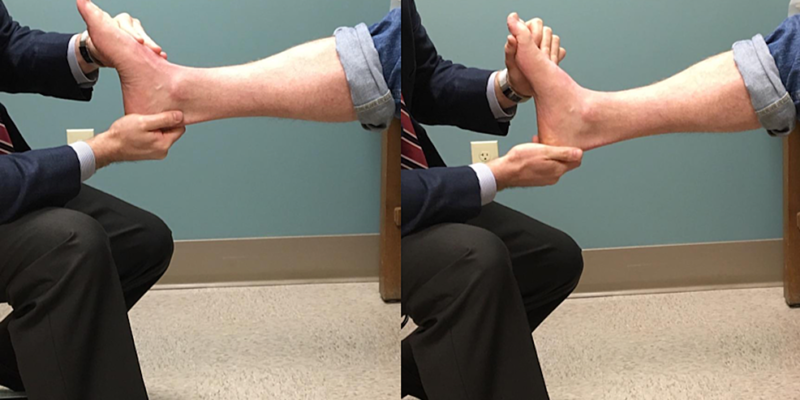
Ankle Sprains While modern ski boots provide substantial ankle support, severe forces can still cause sprains, particularly when stepping out of bindings on uneven terrain.
Tibial Plateau Fractures High-impact falls can fracture the top of the shinbone where it meets the knee, a serious injury requiring immediate medical attention.
Spinal Injuries
Lower Back Strain The sustained flexed position of skiing, combined with impact forces and rotational movements, commonly causes lower back muscle strains and ligament sprains.
Spinal Compression Injuries Significant impacts, particularly from jumps or high-speed falls, can cause vertebral compression fractures or disc injuries requiring careful management.
Why Physiotherapy Is Essential for Skiing Injury Recovery
The “rest and hope” approach to injury recovery rarely produces optimal results, especially for athletes wanting to return to demanding sports like skiing.
Beyond Basic Healing
Accurate Diagnosis and Assessment Professional evaluation identifies the specific structures injured, the severity of damage, and contributing factors that may have predisposed you to injury. This precision enables targeted, effective treatment rather than generic approaches.
Preventing Compensatory Problems Injured areas often lead to compensation patterns where other body parts work harder to accommodate weakness or pain. Without proper rehabilitation, these compensations can become ingrained, creating new problems and increasing re-injury risk.
Restoring Full Function Complete recovery means more than pain absence—it requires restored range of motion, normal strength, proper neuromuscular control, and sport-specific capabilities. Physiotherapy systematically addresses each component.
Building Psychological Confidence Fear of re-injury can be as limiting as physical deficits. Progressive, guided rehabilitation builds both physical capacity and mental confidence, ensuring you return to skiing without hesitation.
Optimizing Future Performance Comprehensive rehabilitation often reveals and addresses weaknesses that contributed to your initial injury. Correcting these issues can make you a stronger, more resilient skier than before injury.
The Physiotherapy Recovery Timeline: What to Expect
Recovery follows a structured progression, though timelines vary based on injury severity and individual factors.
Phase 1: Initial Assessment and Pain Management (Week 1-2)
Your recovery begins with comprehensive evaluation including detailed injury history, physical examination of the affected area, assessment of movement patterns, strength testing, and identification of contributing factors.
Initial treatment focuses on managing acute symptoms through pain relief techniques, reducing swelling and inflammation, protecting healing tissues, and beginning gentle range-of-motion exercises where appropriate.
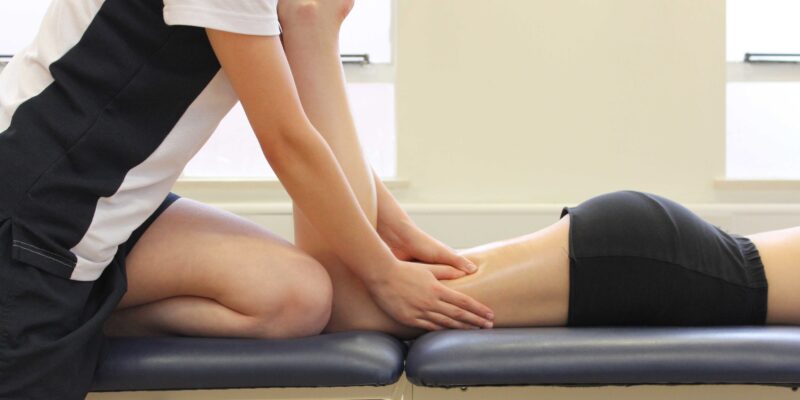
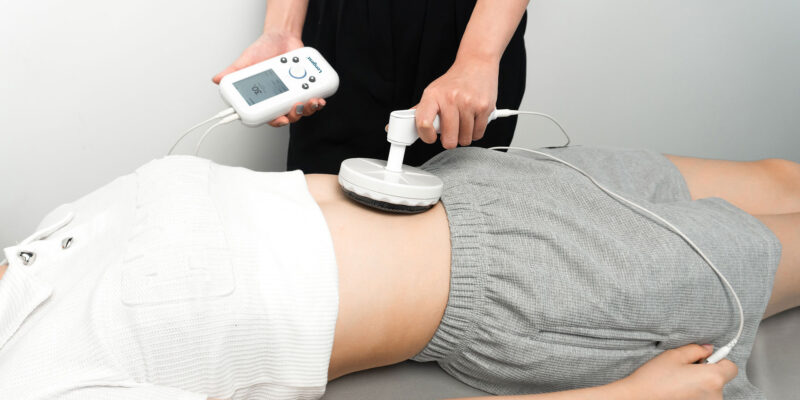
We utilize various modalities including manual therapy techniques, therapeutic taping, ice and compression therapy, gentle mobilization, and education about the healing process and expectations.
Phase 2: Restoring Mobility (Week 2-4)
Once acute inflammation settles, we progressively restore normal joint and soft tissue mobility through targeted stretching programs, joint mobilization techniques, soft tissue release, and progressive range-of-motion exercises.
This phase requires patience—forcing movement too quickly can disrupt healing, while insufficient mobility work can lead to permanent restrictions affecting skiing performance.
Phase 3: Rebuilding Strength (Week 4-8)
Strength development follows a careful progression from isolated muscle activation and low-resistance exercises to functional movement patterns and progressive resistance training, culminating in power development appropriate for skiing.
For skiing injuries, we particularly focus on quadriceps and hamstring strength for knee stability and impact absorption, gluteal muscles for hip control and turning power, core strength for balance and force transfer, and calf muscles for ankle stability and boot control.
Phase 4: Neuromuscular Re-Education (Week 6-10)
This critical phase addresses proprioception—your body’s positional sense. Injury disrupts the neural pathways providing joint position information, compromising balance and increasing re-injury risk.
Proprioceptive training includes single-leg balance progressions, unstable surface exercises, dynamic balance challenges, perturbation training (responding to unexpected forces), and plyometric exercises building reactive strength.
Phase 5: Sport-Specific Preparation (Week 8-12)
The final rehabilitation phase prepares you specifically for skiing’s demands through lateral movement patterns mimicking carving, rotational exercises developing turning mechanics, jumping and landing drills for moguls and varied terrain, agility work for quick direction changes, and endurance training for sustained mountain performance.
We also incorporate ski-specific simulation exercises using balance boards and specialized equipment to practice skiing movements in controlled environments.
Phase 6: Return-to-Sport Testing
Before clearing you for skiing, we conduct comprehensive testing ensuring you’ve achieved full range of motion without compensation, strength matching your uninjured side, normal proprioception and balance, sport-specific movement competency, and psychological readiness.
This objective assessment ensures you’re truly ready, not just eager, to return to the mountain.
Injury-Specific Rehabilitation Protocols
Different injuries require tailored approaches. Here’s what rehabilitation looks like for common skiing injuries:
ACL Tear Rehabilitation
Pre-Operative Phase (if surgery planned): Reduce swelling and restore range of motion, maintain quadriceps and hamstring strength, optimize overall fitness, and prepare mentally for surgery and recovery.
Post-Operative Timeline:
- Weeks 1-2: Wound healing, pain management, regaining extension, beginning quadriceps activation
- Weeks 3-6: Progressive weight-bearing, strengthening, restoring full extension
- Weeks 6-12: Advanced strengthening, proprioception work, beginning light cardiovascular exercise
- Months 3-6: Running progression, agility training, sport-specific exercises
- Months 6-9: Return to skiing preparation, on-mountain training with controlled conditions
- Month 9+: Full return to skiing (timing varies individually)
MCL Sprain Rehabilitation
MCL injuries typically heal without surgery, making physiotherapy the primary treatment. Grade I and II sprains often allow return to skiing within 4-8 weeks with proper rehabilitation, while Grade III tears may require 8-12 weeks.
Rehabilitation emphasizes protecting the healing ligament, progressive strengthening, and restoring knee stability through neuromuscular training.
Shoulder Dislocation Recovery
After initial reduction and immobilization, rehabilitation focuses on rotator cuff strengthening, scapular stabilization, progressive range of motion, and sport-specific training. Return to skiing typically occurs within 8-16 weeks depending on injury severity and associated damage.
Prevention Strategies: Staying Injury-Free
The best injury treatment is prevention. Implement these strategies to reduce your skiing injury risk:
Pre-Season Conditioning
Begin training 8-12 weeks before your ski trip. Focus on lower body strength through squats, lunges, step-ups, and single-leg exercises, core stability with planks, anti-rotation exercises, and dynamic core work, cardiovascular endurance through cycling, running, or interval training, and flexibility with dynamic stretching and mobility work.
On-Mountain Strategies
Start each day with a thorough warm-up including gentle skiing on easy terrain, take regular breaks before fatigue sets in, stay hydrated and properly fueled, ski within your ability level, avoid late-afternoon runs when fatigue peaks, and adapt your skiing to changing conditions.
Equipment Optimization
Have bindings professionally adjusted annually, replace boots when they lose support or fit poorly, ensure poles are appropriate length, and keep edges sharp and bases maintained.
Technical Development
Invest in professional instruction to improve technique, focus on balanced, centered stance, develop proper edge control, and learn safe falling techniques to minimize injury when falls occur.
Why Choose Recovery Rehab Physiotherapy for Your Skiing Injury
Our specialized approach to skiing injury rehabilitation combines evidence-based treatment protocols, sport-specific rehabilitation expertise, comprehensive assessment and individualized programs, advanced manual therapy techniques, and collaborative care with orthopedic specialists when needed.
We understand the unique demands skiing places on your body and the psychological importance of returning to this sport you love. Our goal extends beyond eliminating pain—we ensure you return to the mountain with confidence, capability, and reduced re-injury risk.
What Sets Us Apart
Skiing-Specific Expertise: We understand the biomechanics of skiing and tailor rehabilitation to address these specific demands.
Comprehensive Approach: We address not just the injured structure but contributing factors including strength imbalances, movement pattern dysfunctions, and equipment or technique issues.
Progressive Programming: We advance your rehabilitation based on objective criteria, not arbitrary timelines, ensuring you’re ready for each progression.
Education and Prevention: We equip you with knowledge and strategies to maintain your gains and prevent future injuries.
Supportive Environment: We provide encouragement, realistic expectations, and celebrate your progress throughout the recovery journey.
Taking the First Step Back to the Slopes
A skiing injury can feel devastating, especially when winter arrives and you’re watching from the sidelines. But with proper rehabilitation, most skiers return to the mountain and often discover they’re stronger and more capable than before.
Don’t leave your recovery to chance or rely on generic advice. Specialized physiotherapy makes the difference between merely healing and truly recovering—between tentatively returning and confidently conquering your favorite runs.
If you’ve sustained a skiing injury or want to prepare your body for the upcoming season, contact Recovery Rehab Physiotherapy today. Our experienced team will assess your specific situation, develop a personalized rehabilitation plan, and guide you through every step of your journey back to the slopes.