

The Hidden Cost of Sitting: How Your Chair Is Weakening Your Back and What to Do About It
Published: [Date] | Reading Time: 10 minutes
That nagging lower back ache after a day at your desk. The stiffness following a long drive. The discomfort that seems to worsen the longer you sit. If these experiences sound familiar, you’re among millions of Australians whose back pain stems from our increasingly sedentary lifestyles.
At Recovery Rehab Physiotherapy, we treat countless patients whose chronic back pain traces directly to prolonged sitting and the muscular dysfunction it creates. The challenge isn’t simply how many hours you spend seated—it’s the profound impact sitting has on the intricate network of muscles designed to support your spine.
This comprehensive guide reveals exactly how sitting weakens your back muscles, why this leads to pain, and most importantly, how you can reverse this damage and reclaim your back health.
The Sitting Epidemic: Understanding the Problem
Modern life has transformed us into a predominantly seated population. Consider your typical day: commuting in a car, working at a desk, eating meals, watching television, scrolling through your phone. For many Australians, sitting occupies 8-12 hours daily.
Our bodies evolved for movement—walking, climbing, lifting, and dynamic activity. The human musculoskeletal system thrives on varied movement and regular muscle engagement. Prolonged sitting, particularly in poor positions, fundamentally contradicts these evolutionary design principles.
The Biomechanical Reality
When you sit for extended periods, especially in slouched or hunched positions, you create several problematic conditions: excessive pressure on spinal discs, sustained stress on spinal ligaments, chronic muscle imbalances, and progressive weakening of stabilizing muscles.
This isn’t simply about “bad posture.” The biomechanical changes occurring during prolonged sitting create a cascade of muscular dysfunction that, over time, results in chronic pain and increased injury risk.
What Actually Happens to Your Back When You Sit
Understanding the specific muscular changes during sitting helps explain why back pain develops and what needs correction.
The Slouched Position: A Recipe for Dysfunction
The classic slouched position—rounded shoulders, forward head, curved lower back—feels comfortable initially but creates significant problems. In this position, your spine loses its natural curves designed to distribute load efficiently, crucial stabilizing muscles deactivate, and passive structures bear loads they weren’t designed to sustain.
Spinal Structure Under Stress Your spinal discs, the shock-absorbing cushions between vertebrae, experience uneven pressure distribution in slouched positions. This forces the gel-like nucleus of each disc backward, potentially irritating nerves or creating conditions for disc bulging or herniation.
Your spinal ligaments, designed to prevent excessive movement rather than provide constant support, become chronically stretched. This reduces their protective function and contributes to joint instability.
Muscular Shutdown and Compensation Specific muscle groups respond predictably to prolonged sitting:
Some muscles become inhibited and weak from underuse, other muscles remain in shortened, tight positions, certain muscles overwork to compensate for weakened partners, and overall coordination and timing between muscle groups deteriorates.
Gluteal Inhibition: The Sleeping Giant Problem
Your gluteal muscles—the powerful hip extensors comprising your buttocks—play crucial roles in pelvic stability, hip extension during walking and running, lower back support, and force generation for dynamic movements.
During prolonged sitting, your glutes remain compressed and inactive. This sustained inactivity creates what physiotherapists call gluteal amnesia or dead butt syndrome, where your nervous system progressively loses its ability to properly activate these muscles.
The Compensation Pattern When your glutes fail to activate properly during movement, other muscles compensate. Your lower back muscles assume work meant for your glutes, hamstrings work harder during hip extension, hip flexors remain tight and overactive, and your pelvis loses proper stability.
This compensation pattern forces your lower back muscles into constant overwork, leading to chronic fatigue, excessive tension, and eventually pain. It’s analogous to running a marathon using only your arms because your legs stopped working—exhaustion and injury become inevitable.
Deep Core Dysfunction: Lost Spinal Stability
Your deep core stabilizers provide essential spinal support distinct from the superficial abdominal muscles visible when someone has a “six-pack.”
The Key Players:
Multifidus These small, segmental muscles attach directly to individual vertebrae, providing precise, localized spinal stability. They control subtle spinal movements and maintain optimal positioning of each spinal segment.
Transverse Abdominis (TA) This deepest abdominal layer wraps horizontally around your torso like a corset. When activated, it creates intra-abdominal pressure that stabilizes your spine from within.
Pelvic Floor Muscles These muscles form a supportive sling at your pelvis base, working synergistically with your TA and multifidus to create core stability.
Diaphragm Your primary breathing muscle also contributes to core stability through its coordination with other deep core muscles.
During slouched sitting, these deep stabilizers largely deactivate. Your body relies instead on passive support from ligaments and discs. Over time, your nervous system loses the ability to properly coordinate these muscles, leaving your spine vulnerable during movement, lifting, or even simple activities like coughing or sneezing.
The Tight and Overstretched: Muscular Imbalance
While some muscles weaken from inactivity, others develop problems from sustained abnormal positions.
Erector Spinae (Back Extensors) These long muscles running alongside your spine become overstretched in slouched positions. While they may feel tight, this tightness stems from constant strain and weakness, not strength. They work overtime attempting to prevent complete postural collapse.
Hip Flexors Sitting keeps your hip flexors shortened. Over time, they lose extensibility and pull your pelvis into anterior tilt, increasing lumbar spine compression and altering optimal spinal alignment.
Hamstrings Prolonged sitting with bent knees maintains hamstrings in shortened positions, leading to chronic tightness. Tight hamstrings restrict pelvic movement and can force your lower back to compensate during bending movements.
Chest Muscles (Pectorals) Rounded shoulder postures keep chest muscles shortened, pulling shoulders forward and contributing to upper back and neck strain.
The Pain Cascade: From Weakness to Chronic Discomfort
These muscular imbalances create a self-perpetuating cycle of dysfunction and pain.
Common Pain Presentations
Chronic Lower Back Pain The most frequent complaint manifests as dull, persistent aching that worsens with prolonged sitting, difficulty finding comfortable positions, and pain that improves with movement but returns with rest.
Sciatica Pressure on the sciatic nerve from disc changes, muscle spasms, or piriformis syndrome creates pain radiating down one or both legs, numbness or tingling in legs or feet, and weakness in affected legs.
Disc Problems Uneven disc loading and inadequate muscular support increase risk of disc bulges where disc material protrudes backward, disc herniations where disc material breaks through its outer layer, and degenerative disc disease accelerating normal age-related changes.
Postural Pain Syndromes Weakened muscles make maintaining proper alignment increasingly difficult, leading to neck pain and headaches from forward head posture, shoulder tension and pain, and thoracic spine stiffness and discomfort.
The Vicious Cycle
Pain leads to protective muscle guarding, guarding creates additional tension and reduces movement, reduced movement causes further deconditioning, deconditioning increases vulnerability to pain, and the cycle perpetuates itself.
Breaking this cycle requires targeted intervention addressing both the symptoms and underlying muscular dysfunction.
Taking Action: Strategies to Reverse Sitting Damage
The positive news: your body possesses remarkable adaptability. With consistent effort and proper strategies, you can reverse sitting-induced muscular dysfunction and eliminate associated pain.
Movement: Your Most Powerful Tool
Frequent movement breaks represent the single most effective strategy for combating sitting damage.
The 30-Minute Rule Set reminders to move every 30 minutes. Even brief interruptions provide significant benefits. Stand for 1-2 minutes, walk short distances around your space, perform simple stretches, and change your sitting position.
Movement Variety Include different movement types throughout your day: standing work periods, walking meetings when possible, stair climbing, and active lunch breaks.
Active Sitting Techniques
When sitting is unavoidable, engage muscles actively rather than collapsing into passive postures.
Neutral Spine Maintenance Maintain your spine’s natural curves with ears aligned over shoulders, shoulders over hips, gentle lumbar curve (not flat or excessively arched), and weight distributed evenly on both sitting bones.
Core Engagement Gently activate deep core muscles without breath-holding. Think about drawing your lower ribs toward your pelvis, creating a sense of internal stability, and maintaining gentle tension without rigidity.
Ergonomic Optimization
Proper workspace setup significantly reduces postural stress.
Chair Setup Ensure feet rest flat on floor or footrest, knees bent at approximately 90 degrees, hip height equal to or slightly higher than knees, lumbar support maintaining lower back curve, and armrests supporting forearms without shoulder elevation.
Desk and Monitor Position monitor at eye level, arm’s length away, keyboard and mouse close enough to avoid reaching, adequate lighting preventing screen glare, and all frequently used items within easy reach.
Alternative Workstations Consider sit-stand desks allowing position changes, stability ball chairs for active sitting (used intermittently), and treadmill or cycling desks for movement during work.
Essential Exercises for Back Health
Targeted exercises address specific muscular weaknesses created by prolonged sitting. Consistency matters more than duration—brief daily sessions outperform sporadic long workouts.
Glute Activation Exercises
Glute Bridges Lie on your back with knees bent, feet flat and hip-width apart. Lift hips by squeezing glutes, forming a straight line from knees to shoulders. Hold 3-5 seconds at the top, focusing on glute contraction rather than back arching. Perform 15-20 repetitions, 2-3 sets.
Single-Leg Glute Bridges Progress to single-leg variations for increased challenge and improved hip stability.
Clamshells Lie on your side with knees bent, feet together. Keeping feet connected, lift your top knee while maintaining neutral pelvis. This targets gluteus medius, crucial for hip stability. Perform 15-20 repetitions per side.
Quadruped Hip Extensions On hands and knees, extend one leg behind you while maintaining neutral spine. Squeeze your glute at the top of the movement. Avoid arching your lower back.
Core Stabilization Exercises
Dead Bug Lie on your back with arms extended toward ceiling and knees bent at 90 degrees. Slowly lower opposite arm and leg while maintaining lower back contact with floor. This challenges core stability while training coordinated movement. Perform 10-12 repetitions per side.
Bird Dog From hands and knees position, simultaneously extend opposite arm and leg. Focus on maintaining stable spine and pelvis rather than movement range. Hold 5-10 seconds, then switch sides. Perform 10 repetitions per side.
Planks Hold a push-up position on forearms and toes, maintaining straight alignment from head to heels. Engage core muscles without breath-holding. Start with 20-30 seconds, progressing to 60 seconds or longer.
Side Planks Support yourself on one forearm and the side of one foot. This challenges lateral core stability crucial for spine support during daily activities.
Mobility and Stretching
Cat-Cow Stretch On hands and knees, alternately arch and round your spine. This promotes spinal mobility and awareness of spinal positioning.
Hip Flexor Stretch In a lunge position with back knee down, gently push hips forward while maintaining upright torso. Hold 30-45 seconds per side.
Thoracic Extension Over Foam Roller Place a foam roller under your upper back and gently arch backward over it. This reverses the forward-rounded position typical of prolonged sitting.
Piriformis Stretch This deep gluteal muscle often becomes tight, contributing to sciatic symptoms. Stretch by crossing one ankle over opposite knee while lying on your back, then pulling the uncrossed leg toward your chest.
Strengthening Exercises
Rows Using resistance bands or weights, perform rowing movements to strengthen mid-back muscles that counteract forward shoulder postures.
Superman Extensions Lie face down and simultaneously lift arms, chest, and legs slightly off the floor. This strengthens back extensors through their full range.
Creating Your Daily Back Health Routine
Integrate these strategies into sustainable daily habits.
Morning Routine (5-7 minutes)
- Cat-cow stretches
- Glute bridges
- Dead bugs
- Hip flexor stretches
Work Day Breaks (3-5 minutes every hour)
- Stand and walk briefly
- Shoulder rolls and neck stretches
- Standing hip flexor stretch
- Postural reset
Evening Routine (10-15 minutes)
- Foam rolling (back, glutes, hip flexors)
- Strengthening exercises (alternating focus areas)
- Thoracic mobility work
- Relaxation stretching
When Professional Help Becomes Necessary
While self-management strategies prove effective for many, certain situations require professional physiotherapy intervention.
Warning Signs Requiring Professional Assessment
Seek evaluation if you experience persistent pain lasting beyond 2-3 weeks despite self-care, pain radiating into legs with numbness or tingling, significant weakness in legs or feet, loss of bladder or bowel control (medical emergency), pain following trauma or injury, morning stiffness lasting more than 30 minutes, or pain significantly impacting daily activities or sleep.
How Recovery Rehab Physiotherapy Can Help
Our comprehensive approach to sitting-related back pain includes:
Detailed Assessment We conduct thorough evaluations examining posture and spinal alignment, muscle strength and activation patterns, movement quality and compensation patterns, flexibility and joint mobility, workplace ergonomics, and functional limitations affecting daily life.
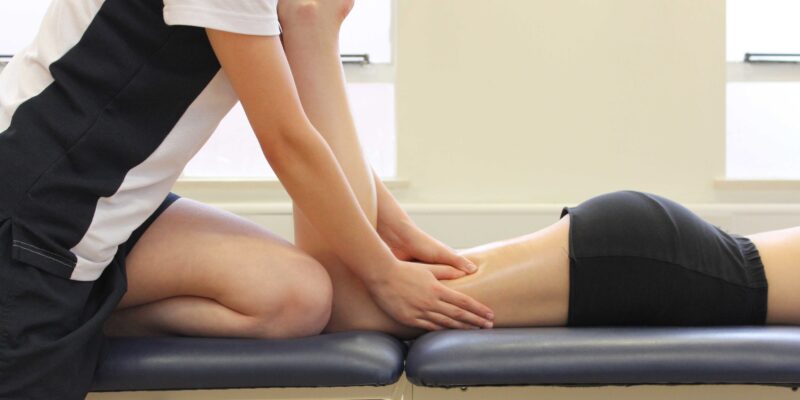
Hands-On Treatment Manual therapy techniques address immediate pain and restrictions through soft tissue release and massage, joint mobilization, trigger point therapy, and myofascial release.
Personalized Exercise Programs We design progressive programs specifically targeting your weaknesses, building on your current capabilities, and advancing toward your functional goals.
Education and Prevention We provide comprehensive education about proper sitting mechanics, ergonomic workspace optimization, self-management strategies, and injury prevention techniques.
Advanced Interventions When appropriate, we offer dry needling for persistent muscle tension, therapeutic taping for postural support, and specialized techniques for specific conditions.
Our Approach
At Recovery Rehab Physiotherapy, we recognize that lasting back pain relief requires more than temporary symptom management. We address underlying causes, correct muscular imbalances, restore proper movement patterns, and equip you with knowledge for long-term back health.
Your Path to a Pain-Free Back
Prolonged sitting has become an unavoidable reality for many Australians, but the resulting back pain and muscular dysfunction don’t have to be permanent fixtures in your life. Understanding how sitting affects your back muscles empowers you to make informed changes.
Start with small, consistent modifications. Set movement reminders. Optimize your workspace. Begin simple strengthening exercises. These incremental changes accumulate into significant improvements over time.
If you’re struggling with persistent back pain or want professional guidance optimizing your back health, the team at Recovery Rehab Physiotherapy is here to help. We’re passionate about helping our patients understand their bodies, address their pain, and develop sustainable habits for lasting wellness.
Don’t let your chair dictate your quality of life. Take control of your back health today.
Contact Recovery Rehab Physiotherapy to schedule your comprehensive assessment. Let us help you move better, feel better, and live without the limitations of back pain.
Your stronger, healthier back is waiting—and the journey starts with a single step.
This information is for educational purposes only and should not replace professional medical advice. If you’re experiencing back pain, particularly with red flag symptoms like leg weakness or bladder changes, seek immediate evaluation from a qualified healthcare provider.
Keywords: back pain from sitting, desk job back pain, sedentary lifestyle back pain, weak back muscles, gluteal inhibition, core stability exercises, posture correction, office ergonomics, lower back pain relief, sitting posture, physiotherapy for back pain, chronic back pain treatment




2 Comments
I’ll right away seize your rss feed as I can’t to find your email subscription hyperlink or newsletter service. Do you have any? Please allow me realize so that I may subscribe. Thanks.
WOW just what I was looking for. Came here by searching for stepparents